Antarctica Cruises
An Antarctica cruise is one of the most extraordinary voyages a traveler can ever make. It is a journey to the white continent at the bottom of the world that few people see and none forget. This is true expedition cruising. You sail past colossal blue icebergs and into glassy bays ringed by snowy peaks. Landings put you among penguins who waddle past your boots, while humpback whales lift their tails meters from the inflatable. There is genuinely nothing else like it on Earth.
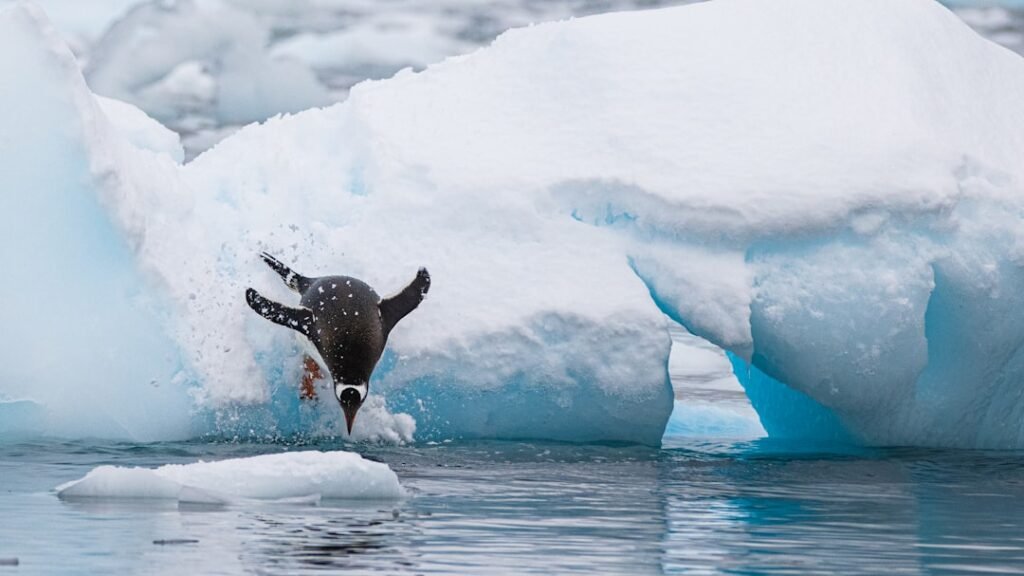
For cruisers, Antarctica is in a category of its own. Most voyages start from Ushuaia, at the southern tip of Argentina, and cross the famously rough Drake Passage (about 36 to 48 hours each way). They then spend several days exploring the Antarctic Peninsula and the South Shetland Islands on small expedition ships, with daily Zodiac landings led by expert naturalists. Prices are high, the weather is fierce, and the rewards are absolute. This is bucket-list cruising at its most genuine.
Quick Facts
| Region | Polar & Antarctica |
| Cruise season | November to March (austral summer) |
| Peak vs shoulder | Peak Dec to Feb; best value Nov and Mar |
| Number of cruise routes | Mainly the Peninsula via Drake Passage; some fly-cruise options |
| Top areas | Antarctic Peninsula, South Shetland Islands, Lemaire Channel, Paradise Bay |
| Currency | US dollar (ships); no currency on land |
| Language | No native population; English aboard expedition ships |
| Visa (US/UK/EU) | No Antarctic visa; transit visas may be needed for Ushuaia or other gateways |
| Time zone | Varies by station/ship; aligned with departure point |
| Average temperature | 20 to 40F (-7 to 4C) in summer; freezing wind chill |
| Cruise lines | Hurtigruten/HX, Silversea, Ponant, Seabourn, Quark, Lindblad, Aurora, Viking, Atlas Ocean |
Best Time to Cruise
Antarctica’s cruise season runs November through March, the southern-hemisphere summer when temperatures rise above freezing and the sea ice retreats enough for ships to operate. Peak season is December through February, the warmest months, with the most daylight and the fullest penguin colonies, and the highest fares to match.
The best value sits in the shoulder windows of November and March. November brings pristine snow, courting penguins, and dramatic ice, while March brings whale activity at its peak as the krill blooms, plus rapidly fading daylight at the season’s end. Browse the latest Polar cruise deals for shoulder-season sailings.
Each part of the season has its own character. November is for ice and courtship, December and January for penguin chicks and warmest weather, and February and March for whales and dramatic light. Outside November to March, the continent is effectively closed to cruise tourism. For the iconic full experience, sail in December or January; for whales, late February or March; for value, November or late March.
Top Cruise Ports
The Antarctic Peninsula
The Antarctic Peninsula, the long arm of the continent reaching toward South America, is where almost all Antarctica cruises focus. There are no ports in the traditional sense, just a sequence of landing sites, Zodiac excursions, and scenic-cruising spots. The pack ice and weather dictate the daily plan, not a fixed itinerary.
The draws are penguin rookeries (Gentoo, Adelie, and Chinstrap), the mirror-calm Paradise Bay, the dramatic Lemaire Channel, and the chance of whales, leopard seals, and Weddell seals. Insider tip: be ready for the day’s plan to change at short notice, since conditions rule everything in Antarctica. The captain’s flexibility in chasing the best ice, wildlife, and light is what defines a great expedition.
South Shetland Islands and the Drake Passage
The South Shetland Islands are usually the first landfall after crossing the Drake Passage from Ushuaia. Sites like Deception Island, a flooded volcanic caldera, and Half Moon Island offer early landings before the Peninsula proper. The Drake itself can be smooth or famously rough.
The draws are huge penguin colonies, the surreal volcanic landscape of Deception Island, and the genuine sense of arrival after the crossing. Insider tip: the Drake Passage is one of the world’s roughest stretches of sea and is also part of the experience. Pack motion-sickness medication, and consider a fly-cruise option that skips the crossing if rough water is a deal-breaker.
Which Cruise Lines Sail Here
Antarctica is the home turf of expedition cruising, so the lineup is specialist by nature. The expedition lines lead. Hurtigruten/HX, Quark Expeditions, Lindblad/National Geographic, Aurora Expeditions, and Atlas Ocean Voyages are the dedicated expedition operators with the smaller, ice-strengthened ships and the strongest naturalist programs.
The luxury lines have grown a major Antarctic presence with purpose-built expedition vessels. Silversea, Ponant, Seabourn, and Viking offer more refined cabins and food while still doing real Zodiac landings. These are not big cruise ships; they are small, capable expedition vessels.
Most Antarctica cruises run 10 to 14 nights from Ushuaia, with longer 18-to-21-night voyages adding South Georgia and the Falkland Islands. Some lines now offer fly-cruise itineraries that skip the Drake Passage by flying to King George Island, typically 7 to 9 nights. Read our Hurtigruten review, our Silversea review, and our Ponant review to match a line to your trip.
Shore Excursion Tips
Antarctica is entirely about Zodiac landings and scenic cruising rather than traditional shore excursions. Most days bring two excursions, a landing in the morning and another in the afternoon (weather permitting), each led by expert naturalists who interpret the wildlife, ice, and geology. Independent exploring does not exist here.
Add-on activities, where available and depending on the line, include kayaking, camping ashore, snowshoeing, paddleboarding, and even polar plunges into the icy water. These usually carry an extra fee and book up fast, so reserve them at the time of booking.
There is no native language or currency on land, and ship operations run in English with US dollars typically the onboard currency. The treaty system that governs Antarctic tourism imposes strict biosecurity (boot washing, gear inspection) before and after every landing, so respect every briefing. For more on shore practices generally, see our guide to cruise shore excursions.
Sample Itineraries
A 10-night Antarctic Peninsula cruise on Hurtigruten, Quark, or Aurora from Ushuaia delivers the classic Peninsula experience with the Drake crossing, from around $7,499 per person. It is the standard introduction.
A 14-to-18-night Antarctica, South Georgia, and Falklands voyage on Lindblad, Silversea, or Ponant adds the spectacular wildlife and history of South Georgia and the Falklands, from around $13,999 per person.
A 7-to-9-night fly-cruise itinerary on Antarctica21 or similar lines flies from Punta Arenas to King George Island, skipping the Drake, from around $9,999 per person. Compare current sailings on the deals page before you book.
Packing & Practical Tips
Pack serious cold-weather and waterproof gear, since Antarctic weather is fierce, wet, and windy even in summer, with temperatures around freezing and severe wind chill on Zodiac trips. Bring a heavy waterproof jacket and pants, thermal base layers, fleeces, a warm hat, gloves (ideally two pairs), and a neck buff. Many lines provide a heavy parka and rubber boots, but check.
There is no currency on land, but the ship will run on US dollars and cards. The Type C/F plug is common on European-built expedition ships, so bring a universal adaptor. Bring strong sun protection (snow glare is intense), motion-sickness remedies for the Drake, binoculars, and a good camera. For the full list, see our cruise packing guide.
The Verdict
Antarctica is the single most extraordinary cruise destination on the planet, and the white continent at the bottom of the world delivers an experience that genuinely transcends ordinary travel. The colossal icebergs, the penguin colonies, the breaching whales, the silence and the scale of the place all combine into something unforgettable. It is expensive, demanding, and entirely worth it for travelers ready for true expedition cruising.
Book an Antarctica cruise if you want the absolute pinnacle of expedition travel and you are ready for cold, wind, and the legendary Drake Passage. A dedicated expedition line is ideal. Choose December or January for the iconic full experience, late February or March for whales, or November and March for better value. Pack proper cold-weather gear, and savor every Zodiac landing.
Related Guides (internal links)
- Polar Cruise Guide: the full regional overview
- Read our Hurtigruten review
- Read our Silversea review
- Read our Ponant review
- Cruising South Georgia: penguins, history and the wildest island
- See this week’s Polar cruise deals
- Compare cruise lines side by side
- Plan your route with the Itinerary Planner
Last updated: May 23, 2026. Written by Helena Marsh, Editorial Director.
Frequently asked questions
When is the best time to cruise Antarctica?
The best time to cruise Antarctica depends on the season you want — peak months bring the most sailings and the highest fares, while shoulder season trades some weather certainty for lower prices and thinner crowds.
Which cruise lines sail to Antarctica?
Which Cruise Lines Sail Here Antarctica is the home turf of expedition cruising, so the lineup is specialist by nature.
How much does a Antarctica cruise cost?
A Antarctica cruise varies widely by line, cabin and season, but judge the all-in price — base fare plus gratuities, drinks, WiFi and excursions — rather than the headline lead-in fare.
Which cruise ports does Antarctica have?
Top Cruise Ports The Antarctic Peninsula The Antarctic Peninsula, the long arm of the continent reaching toward South America, is where almost all Antarctica cruises focus.